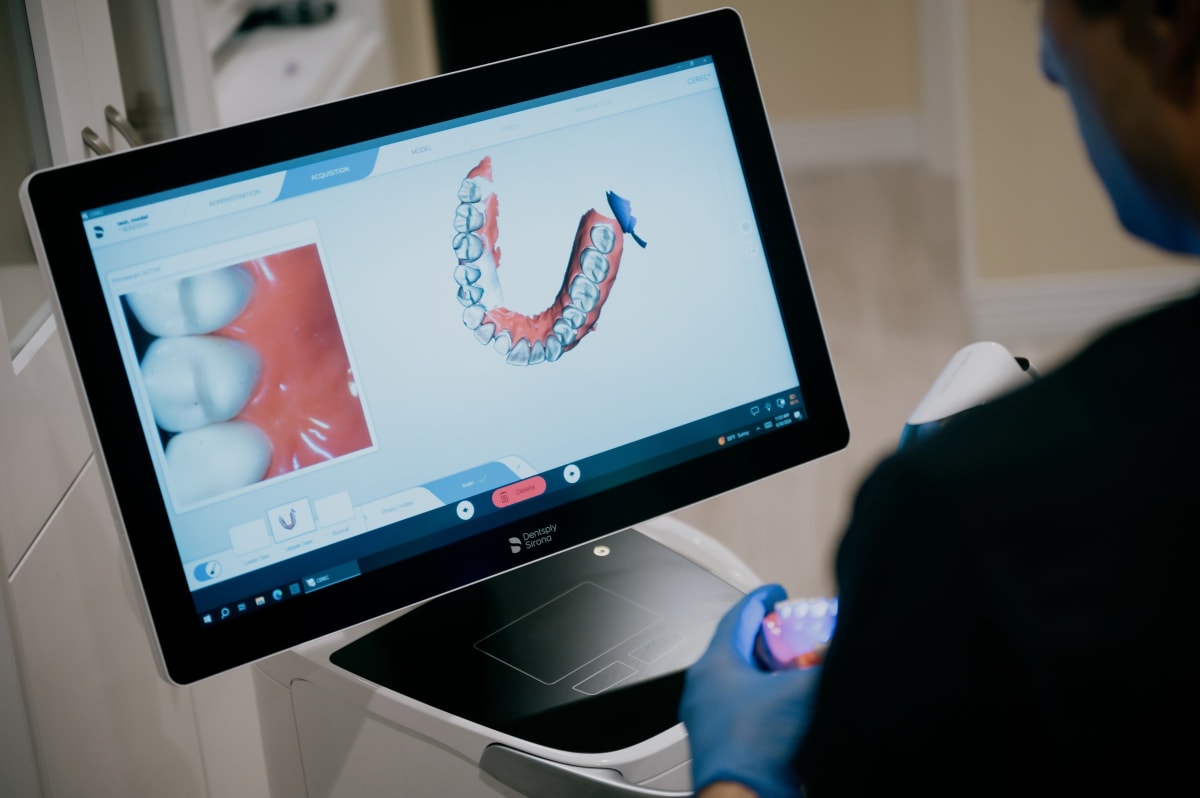

Bone Grafting in Holly Springs, NC
Bone grafting is a dental procedure that rebuilds jawbone volume in areas where bone has been lost due to tooth extraction, periodontal disease, or natural resorption. When insufficient bone remains to support a dental implant or other restoration, bone grafting creates the necessary foundation for successful treatment.
At Springs Village Dentistry, we perform bone grafting procedures in our Holly Springs office using local anesthesia. The procedure involves placing bone graft material into areas where bone volume has diminished, allowing new bone to regenerate over a healing period of several months.
Bone grafting is often performed in conjunction with tooth extraction (socket preservation) or as preparation for dental implant placement. The procedure helps maintain facial structure and provides adequate bone support for long-term restoration success.
Continue reading to learn about candidacy requirements, the procedure process, and what to expect during recovery.
Quick Overview
- Bone grafting rebuilds jawbone volume in areas affected by tooth loss or periodontal disease
- The procedure is performed in-office under local anesthesia, and most patients experience minimal discomfort during and after the procedure
- Healing typically requires 3-6 months before implant placement can proceed
- Socket preservation grafting can be performed immediately following tooth extraction
- Insurance coverage varies depending on the medical necessity of treatment
Are You a Candidate for Bone Grafting?
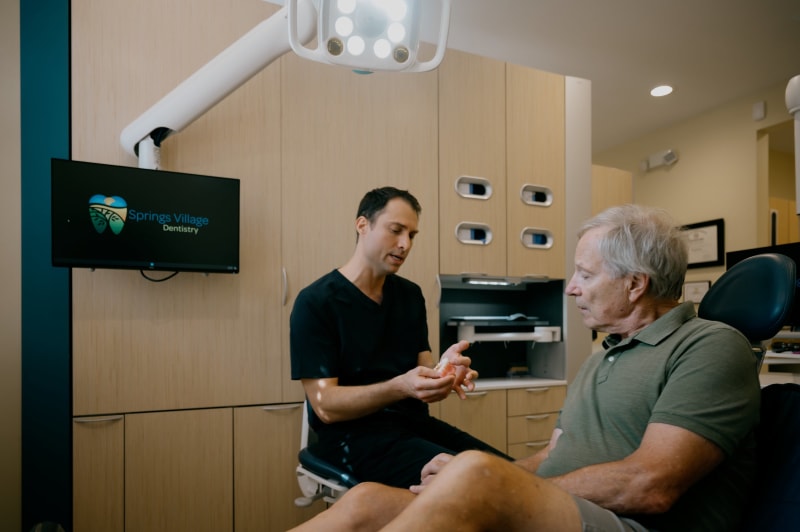
Bone grafting candidacy depends on your specific clinical situation. Common scenarios where bone grafting may be recommended include:
- Tooth extraction with planned implant placement. Socket preservation grafting at the time of extraction maintains bone volume and structure for future implant placement.
- Extended tooth loss. When a tooth has been missing for months or years, the surrounding bone naturally resorbs. This bone loss may require grafting before implant placement.
- Periodontal disease treatment. Advanced gum disease can cause significant bone loss around teeth. Bone grafting may be necessary to restore adequate bone support.
- Insufficient bone volume for implants. When initial evaluation reveals inadequate bone height or width, grafting can create the necessary foundation for successful implant placement.
Candidacy for bone grafting is determined through clinical examination and diagnostic imaging. At Springs Village Dentistry, we use cone beam CT imaging to assess bone volume, density, and anatomical structures. This comprehensive evaluation allows us to determine whether bone grafting is necessary and develop an appropriate treatment plan for your specific needs.
What the Procedure Looks Like at Springs Village Dentistry
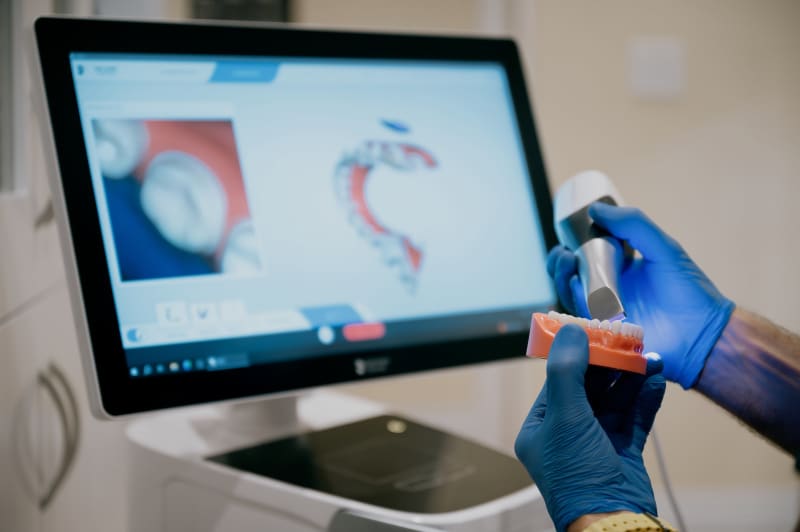
Understanding the bone grafting procedure helps you prepare for treatment. At Springs Village Dentistry, we explain each step of the process during your consultation.
Your treatment begins with a comprehensive examination. Cone beam imaging and X-rays provide detailed views of your existing bone volume and surrounding tissue condition. This diagnostic information determines your specific treatment approach.
On the day of your procedure, we administer local anesthesia to numb the treatment area. You may feel some pressure during the procedure, but the anesthesia eliminates pain. Our team monitors your comfort throughout the appointment.
Once we prepare the surgical site, we place bone graft material in areas where bone volume has been lost. We then close the site with sutures to protect the area during initial healing. Procedure time typically ranges from one to two hours, depending on the complexity of your case. We provide a more specific time estimate after reviewing your imaging.
Before you leave our office, we provide detailed post-operative instructions covering what to expect during recovery, signs of normal healing, and proper home care for the surgical site.
How Long Does the Whole Process Take?
The timeline from bone grafting to implant placement varies based on individual healing factors and the extent of bone regeneration needed.
After bone grafting, the healing period typically ranges from three to six months. During this time, your body integrates the graft material with your existing bone tissue, creating the foundation necessary for implant placement. Cone beam imaging at Springs Village Dentistry allows us to assess your specific bone density and structure, providing a more accurate timeline estimate for your case.
Socket preservation grafting performed immediately after tooth extraction can reduce overall treatment time. This procedure maintains bone volume during the initial healing phase, potentially shortening the waiting period before implant placement.
The healing period serves a critical function: allowing sufficient bone density to develop for long-term implant stability. Regular follow-up appointments monitor healing progress and determine when the site is ready for the next phase of treatment.
Recovery: What to Expect After Your Graft
Recovery from bone grafting follows a predictable pattern. The first few days require the most attention, and understanding what to expect helps ensure proper healing.
Swelling and mild tenderness around the graft site are normal responses. Swelling typically peaks on day two or three, then gradually subsides. During this initial period, a soft food diet is necessary to protect the graft site. Appropriate foods include yogurt, mashed potatoes, scrambled eggs, and smoothies. Avoid hard, crunchy, or hot foods that could irritate the healing tissue.
Several activities should be avoided during the healing period:
- Smoking or using tobacco products, which significantly impair healing
- Hard, crunchy, or chewy foods that could disturb the graft material
- Touching or probing the area with your tongue or fingers
- Strenuous physical activity for the first 48 hours
Most patients can return to normal activities within one to two days. Complete tissue integration occurs over several months, but this process requires no special care beyond following initial post-operative instructions.
You will receive detailed aftercare instructions before leaving our office, but if any questions arise during your recovery, contact our team. We are always glad to guide you to ensure you can heal properly.
Cost, Insurance, and Payment Options
Bone grafting costs depend on several clinical factors specific to each patient's treatment needs. The final cost is determined by:
- The size and complexity of the graft site
- The number of sites requiring treatment
- Whether the grafting is performed alongside tooth extraction or as part of implant placement
- The type of graft material used
Most dental insurance plans provide coverage for bone grafting when it is deemed medically necessary for oral health. Coverage levels vary significantly between insurance providers and individual plans. Our administrative team reviews your specific benefits and provides a detailed explanation of your expected coverage before treatment begins.
For patients with out-of-pocket expenses, Springs Village Dentistry offers financing options to make treatment accessible. Payment plans allow you to receive necessary care without delaying treatment due to cost concerns.
A consultation provides the most accurate cost estimate for your specific situation. During this appointment, we evaluate your clinical needs, verify your insurance benefits, and provide a detailed treatment estimate.
About Springs Village Dentistry
Springs Village Dentistry provides bone grafting and dental implant services in one location. Our team manages the complete process from initial consultation through implant placement, ensuring continuity of care throughout your treatment.
We provide detailed explanations of each treatment phase, including procedure details, timeline expectations, and recovery protocols. Our approach focuses on thorough patient education so you understand your treatment plan completely.
Our practice offers:
- Complete bone grafting and implant services at our Holly Springs location
- Detailed treatment explanations and comprehensive patient education
- Thorough consultation process with advanced imaging and treatment planning
- Established practice serving the Holly Springs community
Frequently Asked Questions
Does bone grafting hurt?
The procedure is performed under local anesthesia, so patients do not feel pain during the grafting. Post-operative discomfort is typically mild and manageable with over-the-counter pain medication. Our team provides detailed post-operative instructions and pain management guidance before you leave the office.
How do I know if I need a bone graft before an implant?
Bone density and volume requirements are determined through clinical examination and diagnostic imaging, including cone beam CT scans. Bone loss may not be apparent without proper imaging. A comprehensive consultation at Springs Village Dentistry includes the necessary imaging to assess bone structure and determine treatment needs.
Can I get a bone graft and extraction at the same time?
Socket preservation grafting can often be performed immediately following tooth extraction. This approach helps maintain bone structure during the healing period and may reduce overall treatment time. The feasibility depends on the condition of the extraction site and individual healing factors.
Will my insurance cover a bone graft?
Insurance coverage for bone grafting varies by plan and provider. Some plans include grafting as part of implant benefits, while others may have separate coverage criteria. Our administrative team reviews insurance benefits during the consultation process to clarify coverage details and out-of-pocket costs.
What happens if I skip the bone graft and just get an implant anyway?
Placing an implant in insufficient bone compromises the long-term success of the restoration. Adequate bone density is required for proper osseointegration—the process by which the implant fuses with the jawbone. Insufficient bone support increases the risk of implant failure and may require more complex treatment to address complications.
Schedule Your Bone Grafting Consultation

If you have questions about bone grafting or need to determine whether it's appropriate for your treatment plan, we encourage you to schedule a consultation online at Springs Village Dentistry. During this appointment, we will review your medical history, examine the treatment area, and discuss your options based on your specific clinical needs.
Our consultation includes imaging to assess your current bone density and a detailed explanation of the recommended treatment approach. You will receive clear information about the procedure, timeline, and costs before making any treatment decisions.
To book your appointment, you can also call Springs Village Dentistry at (919) 557-9177. We are located at 349 Earnie Lane, Holly Springs, NC 27540, and accept new patients for bone grafting and implant consultations.
What are the common signs and symptoms I should be aware of?
If you have obstructive sleep apnea, some of the most common signs include loud snoring, stopping breathing while asleep, gasping for air during sleep, dry mouth on waking, morning headaches, insomnia, excessive daytime sleepiness (hypersomnia), and mood changes. It’s important to talk with your doctor and/or dentist if you believe you may suffer from sleep apnea.
Can sleep apnea be cured, or is it a manageable condition?
Yes! In many cases, sleep apnea can be either cured or managed depending on the root cause of the disorder. If you’re curious about the options available to you, call our office to schedule your consultation.
Will sleep apnea treatment need to be continued for life?
Many who receive sleep apnea treatment are lifelong patients. The root cause of your sleep apnea will often dictate treatment options and how long you can expect to continue treatment for sleep apnea.
Connect with us
We can’t wait to meet you.
Call (919) 825-3131 or request an appointment online to set up your first visit. We’ll be in touch soon.