
Direct Dental Bonding in Holly Springs, North Carolina
Dental bonding is a cosmetic dental procedure that can address chips, gaps, discoloration, and minor shape irregularities in teeth. The treatment uses tooth-colored composite resin that is applied directly to the tooth surface, shaped, and hardened with a special light.
Most bonding procedures can be completed in a single appointment without the need for anesthesia or drilling. The composite resin is carefully matched to your natural tooth color and sculpted to achieve the desired appearance. Because bonding is considered a reversible treatment, it provides an option for patients considering cosmetic dental improvements.
At Springs Village Dentistry in Holly Springs, NC, we provide a wide range of cosmetic dental services for patients seeking to improve their smile, direct dental bonding being one of them.
Continue reading to learn more about the bonding process, candidacy requirements, and what to expect during treatment.
Quick Overview
- Dental bonding uses tooth-colored composite resin to repair chips, close gaps, and improve tooth appearance in a single appointment.
- The procedure typically requires no anesthesia and minimal tooth preparation in most cases.
- Bonding works best for minor cosmetic concerns and may not be suitable for extensive structural damage.
- Results typically last 3 to 10 years depending on location, care, and daily habits.
- Cost varies based on the number of teeth treated and complexity of the work required.
Is Dental Bonding the Right Fix for You?
Dental bonding works well for specific cosmetic concerns that are minor to moderate in scope. This treatment is designed to address visible imperfections that affect the appearance of your teeth without requiring extensive preparation or multiple appointments.
Dental bonding is typically appropriate for:
- Small chips on the edges of front teeth
- Minor cracks that affect appearance but not tooth structure
- Small gaps between teeth
- Discoloration that whitening treatments cannot fully correct
- Slightly misshapen teeth
- Exposed root surfaces that have become sensitive or visible
While bonding is a wonderful solution for the aforementioned cases, it may not be the most appropriate treatment for every situation. Teeth requiring significant structural restoration may benefit more from veneers or crowns for long-term durability. Heavily stained teeth may respond better to porcelain veneers. If bite issues are contributing to tooth damage, addressing the underlying cause first will help protect any cosmetic treatment.
To determine if bonding is appropriate for your specific situation, we recommend scheduling a consultation with our team at Springs Village Dentistry. We will provide clear information about treatment options and costs during your visit, allowing you to make an informed decision about your dental care.
How Long Does Bonding Last, and How To Care for it?
Dental bonding typically lasts between 3 to 10 years, depending on several factors including the location of the bonded tooth, your oral hygiene habits, and lifestyle factors. Bonding on front teeth that experience less chewing pressure often lasts longer than bonding on back teeth that endure more force during eating.
The longevity of your bonding also depends on how well you care for it. The composite resin material can chip, crack, or become stained over time, but proper care significantly extends its lifespan.
To protect your bonded teeth:
- Avoid biting hard objects like ice, pens, or fingernails
- Limit staining foods and beverages like coffee, tea, red wine, and berries
- Don't use your teeth as tools to open packages or bottles
- Maintain excellent oral hygiene with regular brushing and flossing
- Wear a nightguard if you grind your teeth while sleeping
- Schedule regular dental cleanings and checkups
When bonding does need replacement, the process is straightforward. The old composite material is removed, and new bonding is applied using the same technique as the original procedure. Many patients find that with proper care, their bonding serves them well for many years before requiring any touch-ups or replacement.
What Happens During Your Bonding Appointment
Once we have determined that bonding is appropriate for your situation, the appointment process is straightforward. Here is what you can expect during your visit.
We begin by selecting a composite resin shade that closely matches your natural tooth color. This color-matching step is important because the goal is for the bonded area to blend naturally with your existing tooth structure. Next, we prepare the tooth surface by lightly etching it, which allows the resin material to bond properly. In most cases, this preparation does not require drilling, and anesthesia is typically not necessary unless we need to address decay.
Once the tooth is prepared, we apply the composite resin and carefully shape it to match your tooth's natural contour. This shaping process requires precision to ensure the bonded area integrates well with your existing tooth structure. After shaping, we use a special curing light to harden the resin material. The final step involves polishing the bonded area to create a smooth, natural-looking surface.
Most bonding procedures take around 30 minutes per tooth. If you need multiple teeth treated, we will discuss the timing and scheduling during your consultation. The procedure is generally comfortable, and many patients find it less involved than they initially expected.
What Dental Bonding Costs in North Carolina

The cost of dental bonding at Springs Village Dentistry depends on several factors: the number of teeth being treated, the extent of work required for each tooth, and whether the treatment is considered restorative or cosmetic. A single small chip repair requires different materials and time than reshaping multiple teeth for aesthetic purposes.
During your consultation, you will receive a detailed cost breakdown before any treatment begins. This allows you to make an informed decision about your care.
Insurance coverage varies depending on the reason for treatment. Bonding may be partially covered when it addresses functional issues, such as repairing a chipped tooth that affects your bite. When bonding is performed for cosmetic enhancement alone, most insurance plans do not provide coverage.
If you have dental insurance, we recommend bringing your insurance card to your consultation. Our team can help determine what coverage may apply to your specific situation.
For patients concerned about treatment costs, financing options may be available to help make dental bonding more accessible within your budget.
To receive accurate cost information for your specific needs, call Springs Village Dentistry at (919) 552-6578 or schedule a consultation at our Holly Springs office.
Frequently Asked Questions
Does dental bonding hurt?
Most bonding procedures require no anesthesia. The process involves minimal tooth preparation, so patients typically experience no discomfort. If decay is present or the tooth is sensitive, we will use local anesthetic to ensure your comfort.
Can bonding close gaps between teeth?
Yes. Dental bonding can effectively close small to moderate gaps between teeth. The composite resin is applied to the sides of the teeth adjacent to the gap, then shaped to close the space. Results are visible immediately after treatment.
Will bonded teeth look natural?
The composite resin is carefully color-matched to your natural teeth using a shade guide. When properly applied and polished, bonded areas blend seamlessly with your existing tooth structure.
Should I whiten my teeth before or after bonding?
Teeth whitening should be completed before bonding. Whitening treatments do not affect the color of composite resin, so existing bonding would not match newly whitened teeth. We can coordinate both treatments to achieve optimal results.
How does bonding differ from porcelain veneers?
Bonding uses composite resin applied directly to the tooth and is typically completed in one appointment. Veneers are thin porcelain shells custom-made in a dental laboratory, requiring tooth preparation and multiple appointments. Veneers generally offer greater durability and stain resistance.
What foods should I avoid after bonding?
For the first 48 hours, avoid heavily pigmented foods and beverages such as coffee, tea, red wine, and berries, as the bonding material can absorb stains during this initial period. Long-term, avoid biting hard objects like ice or hard candy, which can chip the composite material.
Schedule Your Bonding Consultation
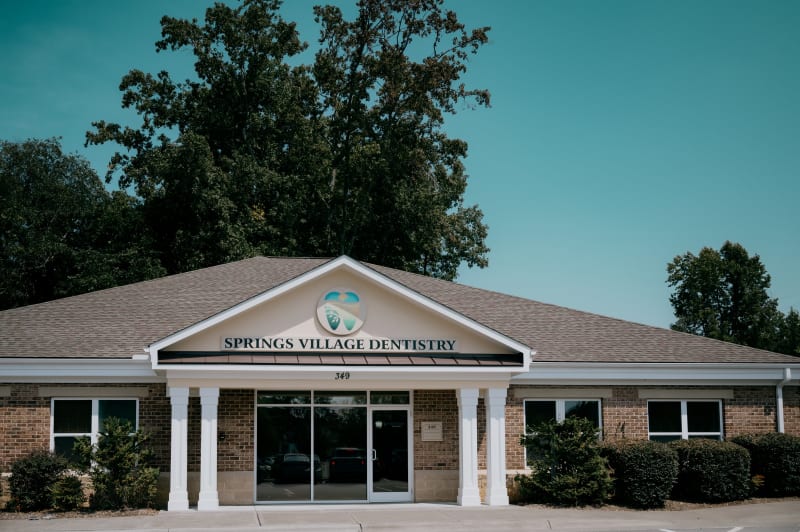
We understand that considering any dental treatment can bring up questions and concerns. Whether you're worried about the process, the cost, or simply want to know if bonding is right for your situation, we're here to provide clear, honest answers in a comfortable environment.
If you're considering dental bonding to improve your smile, we invite you to schedule a consultation at Springs Village Dentistry. During your visit, we'll examine your teeth, discuss your cosmetic goals, and determine if bonding is the right treatment for your needs. There will be no pressure to move forward with treatment. A consultation is simply an opportunity for you to get the information you need to make the best decision for your oral health and confidence.
Contact our Holly Springs office in case of any questions you'd like answered or schedule an appointment online, and get a step closer to the smile of your dreams.
What are the common signs and symptoms I should be aware of?
If you have obstructive sleep apnea, some of the most common signs include loud snoring, stopping breathing while asleep, gasping for air during sleep, dry mouth on waking, morning headaches, insomnia, excessive daytime sleepiness (hypersomnia), and mood changes. It’s important to talk with your doctor and/or dentist if you believe you may suffer from sleep apnea.
Can sleep apnea be cured, or is it a manageable condition?
Yes! In many cases, sleep apnea can be either cured or managed depending on the root cause of the disorder. If you’re curious about the options available to you, call our office to schedule your consultation.
Will sleep apnea treatment need to be continued for life?
Many who receive sleep apnea treatment are lifelong patients. The root cause of your sleep apnea will often dictate treatment options and how long you can expect to continue treatment for sleep apnea.
Connect with us
We can’t wait to meet you.
Call (919) 825-3131 or request an appointment online to set up your first visit. We’ll be in touch soon.