
Helpful Articles.
Insight & Advice
for Your Oral Health
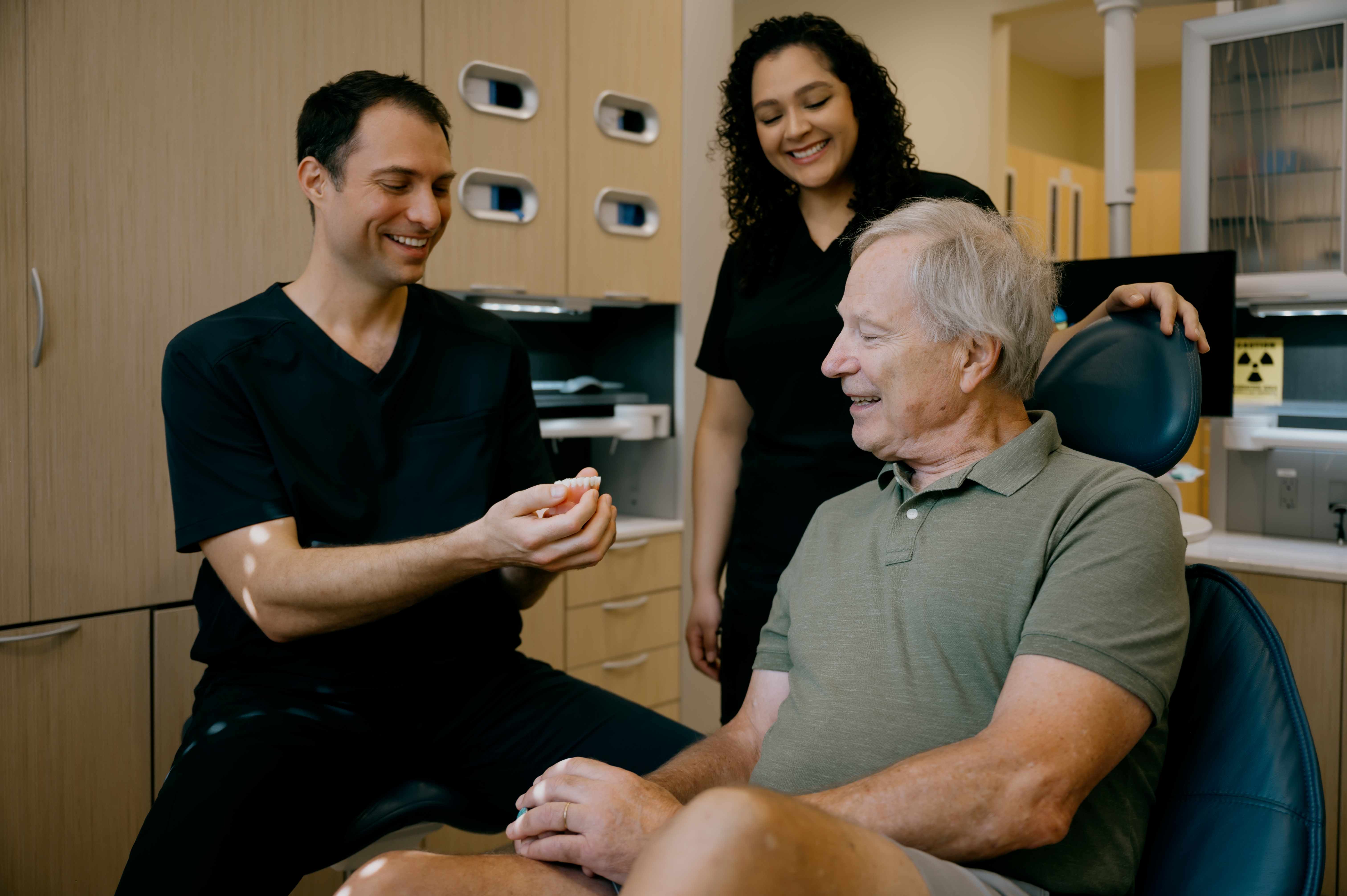
Staged Full-Mouth Reconstruction: Costs and Phases
Learn how staged full-mouth reconstruction works, what each phase involves, and realistic costs to budget for your complete smile transformation.


What You Can Do About Recurring Toothaches

A toothache could be a mild throbbing feeling or it could be a severe, sharp pain. Either way, it’s not something you want to deal with on a regular basis. Toothaches are a sign that there’s something going on with your dental health that needs to be addressed. Tooth pain can come and go. It might be aggravated by things you eat, especially hot or cold foods. Here are some things you can do if you’re experiencing recurring toothaches.
Use Pain-Management Techniques
There are few simple things you can do at home to manage any pain or discomfort you might be feeling from your teeth. For starters, you can try a rinse of warm salt water to clean away any bacteria and debris. You can also use a cold compress and apply it to the outside of your cheek near where the toothache is. Additionally, there are over-the-counter pain medications you can take. Be sure to use the medication as instructed on the label.
Maintain Your Dental Routine
If your tooth hurts, you might be tempted to avoid touching it, even with a toothbrush during your dental routine. That’s not the way to go! It’s important to keep gently brushing and flossing as normal. Sometimes trapped food can aggravate the discomfort. And if you don’t keep bad bacteria at bay, it might make the toothache worse.
See the Dentist ASAP
Toothaches that persist for more than a day or two, or come back regularly, shouldn’t be ignored. Tooth pain is generally a sign of tooth decay and it won’t go away on its own. In fact, the longer decay is left untreated, the worse it will become. If the pulp inside your tooth becomes infected it can result in an abscess. The result is severe pain that can turn into a dental emergency.
Taking Care of Tooth Pain in Holly Springs, NC
Many different things can cause tooth pain therefore it’s very difficult to self-diagnose the problem. Save yourself the stress of wondering what might be wrong and visit the dental professionals at Springs Village Dentistry. Our state-of-the-art technology will allow us to pinpoint the cause of your toothaches and restore your oral health. Our team is ready to get you back to a pain-free smile!
Join Our Dental Wellness Club Today!

Getting high-quality dental care when you need it shouldn’t put a strain on your budget, even if you don’t have insurance. At Springs Village Dentistry, it’s important to us that our community is able to access the dental treatments they need without feeling held back because of financial limitations. That’s why we created our Dental Wellness Club. An alternative to dental insurance coverage, our Dental Wellness Club could be just the thing you’ve been looking for if you’ve been wishing for a way to lower your out-of-pocket costs while taking care of your oral health.
How It Works
Our Dental Wellness Club is very straightforward and easy to figure out, unlike many dental insurance plans. You first decide which membership tier you should join. Each one has a different monthly cost, and each one has different preventive services included in that price. For example, if you decide to join the adult membership tier, you’ll pay $30/month. Covered services include two dental cleanings, two dental exams, routine X-rays, a yearly emergency exam, and a yearly fluoride treatment. If you need any other treatment outside of those included costs, you’ll get a 10% discount, so the savings keep coming.
How It’s Different from Dental Insurance
While our Dental Wellness Club may seem like it has some similarities to dental insurance, there are some major differences. For starters, there are no deductibles or yearly maximums that you have to worry about. You also won’t have to deal with any waiting periods, claim submission forms, or rejected claims. Essentially, it’s like you get the benefits of more affordable treatments but without any of the things that can make insurance feel confusing and overwhelming.
Affordable Dental Care in Holly Springs
If you’re ready to join our Dental Wellness Club, there’s no reason to wait one more day without access to the big savings it provides. Our dentists can help you choose the right plan for you and your family. Contact Springs Village Dentistry in Holly Springs to speak with a member of our team about enrollment.
What Is a Digital Impression?

Dental impressions are used in dentistry for a variety of different purposes. They are crucial for creating custom oral appliances and dental restorations that look and feel natural in the mouth. For example, impressions are commonly used to create custom teeth whitening trays and custom mouthguards that fit much more comfortably than one-size-fits-all trays and oral appliances.
Impressions can also be taken of a single tooth or just a few teeth for treatments like dental crowns, bridges, or veneers. Once this information is collected, it’s used to design a restoration that will fit perfectly over each tooth to instantly protect them and enhance their appearance.
Traditional Impressions vs Digital Impressions
So what does a dental impression involve? It depends on the type of impression that you receive.
Traditional dental impressions
This type of impression involves filling a mold full of dental putty. Then, it is placed in the patient’s mouth, and the patient is instructed to bite down into the mold. The patient must remain as still as possible for around 45 seconds to one minute while the putty hardens around their teeth. Once the mold is removed, the dental professional then checks it to ensure that an accurate impression was created.
While some patients find this process to be quick and easy, others struggle with traditional dental impressions. For patients with sensitive gag reflexes, a traditional impression can trigger their gag reflex and make it very difficult to sit still for an entire minute. In other cases, patients simply don’t like the mess that’s involved with biting into goopy dental putty.
Digital impressions
On the other hand, digital impressions tend to be more comfortable for patients. With digital dental impressions, a handheld wand is gently run over the top, bottom, and sides of the teeth. While this is happening, the device is capturing thousands of high-quality images. This creates a very precise digital model of the patient’s teeth and the entire process only takes a few minutes. Plus, there is no messy, strange-tasting putty to worry about. Digital impressions are also available to use right away, which streamlines dental treatments for patients.
The Latest Dental Technology at Springs Village Dentistry
Our Holly Springs team uses advanced dental technology to enhance the comfort of our patients. We strive to provide the very best dental care possible. We offer a wide range of dental treatments for patients of all ages. Want to learn more about the services and technology we offer? Contact our office today!
How Flossing Every Day Can Benefit You

Brushing twice a day is important for your oral health, but so is flossing! If you fail to floss, you may develop serious dental issues. Why should you floss every day? Here are three main benefits.
1. Flossing Protects You From gum disease
Flossing removes plaque between your teeth and along the gum line, which is important because plaque leads to gum disease. Gum disease is the inflammation and infection of the gums. In its early stage, gum disease is usually reversed with better oral hygiene. As it advances, your gums bleed, hurt, and pull away from your teeth. Gum disease is the #1 cause of adult tooth loss. To protect your smile against gum disease, you’ll want to floss!
2. Flossing prevents tooth decay
When you have a lot of uncleaned plaque and tartar on your teeth, your risk for cavities goes up. Cavities can cause significant pain and tooth loss if they’re not treated. Brushing removes a lot of plaque, but flossing cleans areas a toothbrush can’t reach. For the best protection against cavities, brush and floss every day.
3. Flossing prevents bad breath
Your breath can become unpleasant after eating certain foods – like garlic and onions – but bacteria produce a bad smell, too. The more plaque and tartar you have on your teeth, the worse your breath will be. Daily brushing and flossing remove more plaque than brushing on its own, leaving your breath fresher.
Maintain great oral health at Springs Village Dentistry in Holly Springs, NC
Flossing is an essential part of a good oral hygiene routine, so if you’ve been neglecting it, now is the time to start! You might experience some bleeding and tenderness if it’s been a while since you flossed, but that’s normal. Continue flossing every day and as your gum health improves, the bleeding should stop. We can give you tips on proper flossing techniques when you are in for your regular dental cleaning. If you have any questions about flossing or want to book an appointment with Dr. Molta or Dr. Moore, please contact us today!
How Has Root Canal Therapy Changed Over The Years?

Root canal therapy treats tooth infections and helps dentists save natural teeth. A root canal may sound scary, but thanks to modern dentistry, it’s often no worse than getting a tooth filling! This procedure was not always a comfortable experience. How has root canal therapy changed?
Dentists use different materials
During a root canal, dentists remove the pulp inside an infected tooth. This space needs to be sealed afterward. In the distant past, dentists used a variety of materials including rubber, cement, lead, and asbestos! Today, gutta-percha is the standard filling. It’s a plastic substance that comes from the percha tree. It’s heated and then compressed into the tooth’s canal after a root canal procedure. We seal it with special adhesive cement. These materials are very safe.
Dentists use better tools
Dentists from older TV shows and movies often use a scary selection of tools for root canals. Over the years, however, tools have become much more precise, so the procedure is more effective and less invasive! Diagnostic technology has also improved significantly, which makes it easier to find exactly where infections are.
Root canals aren’t as painful
Many people worry root canals will hurt, but the fact is dentists have used anesthesia for many years. Local anesthesia is usually tried first, but if your infected tooth is in bad shape, we may need something stronger. We also offer sedation options. Additionally, recovery is much less painful thanks to better pain management methods. Rather than causing a lot of pain, root canals relieve the pain that comes from tooth infections.
Root canals at Springs Village Dentistry in Holly Springs, NC
Tooth infections often come with painful symptoms, so if you’re ever struggling with a toothache, please visit us as soon as you can. We’ll determine if you need a root canal. Thanks to modern dentistry, root canal therapy is much safer, more precise, and more comfortable than in the past. If you have any questions or want to book an appointment with Dr. Molta or Dr. Moore, please get in touch today!
Diabetes & Oral Health

According to the CDC, around 1 in 10 Americans have diabetes. Around 1 in 3 have prediabetes, which is when you have elevated blood sugar levels not high enough for a diabetes diagnosis. Long-term effects of diabetes include an increased risk of heart attack and stroke, as well as problems with the nerves, kidneys, feet, and eyes. Your oral health is affected, too!
High Blood Sugar increases your risk of cavities
The bacteria that live in your mouth use sugar for food. When they eat, they produce acid that damages your teeth. High blood sugar levels, which are caused by diabetes, give this bacteria more fuel. Because diabetes increases your cavity risk, it’s especially important to maintain excellent brushing and flossing habits. Cleanings at the dentist are also essential. Depending on your cavity risk, you may need more than two cleanings a year.
Diabetes & gum disease reinforce each other
For people with diabetes, gum disease is the most common dental disease. Around 22% of those with diabetes get gum disease. When you get gum disease, which is an infection, it can cause your blood sugar to rise. This makes your diabetes harder to control.
Diabetes can cause dry mouth
Many people with diabetes also struggle with dry mouth. The disease itself can cause your mouth to produce less saliva, while many medications for diabetes also have dry mouth as a side effect. Without enough saliva to wash off plaque and food debris from your teeth, you’re more vulnerable to cavities.
Maintain great oral health at Springs Village Dentistry in Holly Springs, NC
Managing your diabetes is important for good overall health and good oral health! To counter the negative effects of the disease, drink enough water, brush, floss, and visit the dentist for regular cleanings and exams. If you have any questions about our services or want to schedule an appointment with Dr. Moore or Dr. Molta, please contact us today!
Connect with us
We can’t wait to meet you.
Call (919) 825-3131 or request an appointment online to set up your first visit. We’ll be in touch soon.